
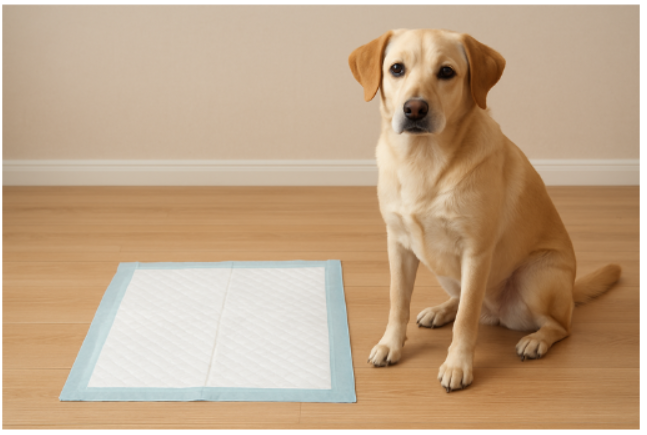
Dog pee pads can be a useful tool for many pet owners, but like most training aids, they come with both advantages and disadvantages. Whether they’re the right choice often depends on your dog’s age, health, living situation, and your long-term potty training goals.
Benefits of Pee Pads
- Convenience for Certain Lifestyles:
- They offer a reliable indoor place for dogs to relieve themselves, which is especially useful for:
- People in apartments, high-rise buildings, or homes without easy yard access.
- Bad weather conditions.
- Late at night.
- When pet owners are away longer than expected.
- They offer a reliable indoor place for dogs to relieve themselves, which is especially useful for:
- Helpful for Training Puppies: They create a designated indoor bathroom space, which reduces household accidents and makes cleanup easier.
- Support for Senior or Health-Compromised Dogs: They provide a closer option for dogs with mobility issues or reduced bladder control.
- Prevent Accidents in Small Breeds: They can prevent indoor accidents for small breeds with tiny bladders between outdoor trips.
- Traveling Flexibility: They are lightweight and portable, making them useful for hotel stays, visits, or long car rides.
- Easy Cleanup: Many are highly absorbent and designed to prevent leaks, simplifying cleanup compared to scrubbing carpets or flooring.
Drawbacks of Pee Pads
- Can Delay Outdoor Housebreaking: Puppies may become accustomed to going indoors, struggling with the transition to going outside and causing confusion about acceptable surfaces.
- Odor: Pads require frequent changing to prevent smells from lingering, even if they have odor-control features.
- Surface Confusion: Dogs may begin to associate the pad’s texture with similar indoor items (like rugs or mats) and start peeing on those as well.
- Practical Concerns/Waste:
- Disposable pads generate waste and can become expensive over time.
- Washable pads require regular laundry.
- Chewing/Shredding Risk: Some dogs may chew or shred the pads, creating a mess and posing a risk if swallowed.
The transition plan is a gradual, 8-step process designed to help the dog shift its association from the indoor pad to a designated outdoor spot.
Step-by-Step Transition Plan
- Choose a Consistent Outdoor Spot: Select a single, designated area outside. The scent will help reinforce the desired behavior.
- Move the Pad Closer to the Door: Gradually shift the pee pad’s location closer to the door used for outdoor potty breaks. This helps the dog connect the pad with the path to the outside.
- Take the Pad Outside: Once the dog is comfortable using the pad near the door, place the pad just outside in the chosen potty spot. Encourage use and immediately praise and reward with a treat after success.
- Phase Out the Pad: After a few days to a week of successful outdoor use, stop laying down the pad entirely. Bring the dog directly to the outdoor spot and wait, using an upbeat and patient tone. Reward heavily for correct behavior.
- Use a Schedule: Establish a routine by taking the dog out consistently: first thing in the morning, after meals, after playtime, and before bed. For puppies, aim for trips every 2–3 hours during the day.
- Watch for Cues: Learn and monitor the dog’s “I need to go” signals (pacing, circling, sniffing, whining, or heading to the door) and quickly guide them outside.
- Minimize Indoor Options: Remove rugs, mats, or towels that might resemble the pad’s texture from the floor to prevent confusion during the transition.
- Stay Patient and Positive: Accidents will happen. Do not scold, as this can cause anxiety. Clean indoor accidents thoroughly with an enzymatic cleaner and remain consistent with rewarding outdoor potty trips.
If you have a puppy in McKinney or Melissa, TX, our dog walking and potty break service may be just right for you. Contact us today to learn more.
To contact us directly, use the form on our Contact page, or email us at TopDogPetSitters@gmail.com, or call us on 214 244-1629. We look forward to learning more about you and your pets.