
It’s Springtime in McKinney and Melissa, TX and my fingers are “itching” to plant flowers in my yard, but the dirt is not yet warm enough. So, I must be content with my indoor plants for a while longer.
While indoor plants are not generally a hazard to dogs, they can be dangerous for cats. While it’s lovely to bring a bit of nature indoors we need to be mindful of what might be tempting for curious kitties to eat. Some of our favorite leafy companions can be a little tricky for their sensitive tummies. We need to make sure those “toys” are safe for them to play with.
Indoor Plants That Are Toxic To Cats
-
Lilies
- These are exceptionally dangerous. Even small amounts of any part of the lily plant, including pollen, can cause severe kidney failure in cats.
- It is best to avoid all plants in the Lilium Genus.
-
Sago Palm
- Highly toxic, especially the seeds. Ingestion can lead to liver failure, vomiting, diarrhea, and even death.
-
Pothos
- Contains insoluble calcium oxalates, causing oral irritation, drooling, and vomiting.
-
Dieffenbachia
- Also contains calcium oxalates, leading to similar symptoms as pothos, with potential swelling of the airways.
-
Philodendron
- Also containing calcium oxalates, this plant can cause oral irritation, pain, and vomiting.
-
Aloe Vera
- While beneficial for humans, aloe vera contains saponins that can cause vomiting, diarrhea, and tremors in cats.
-
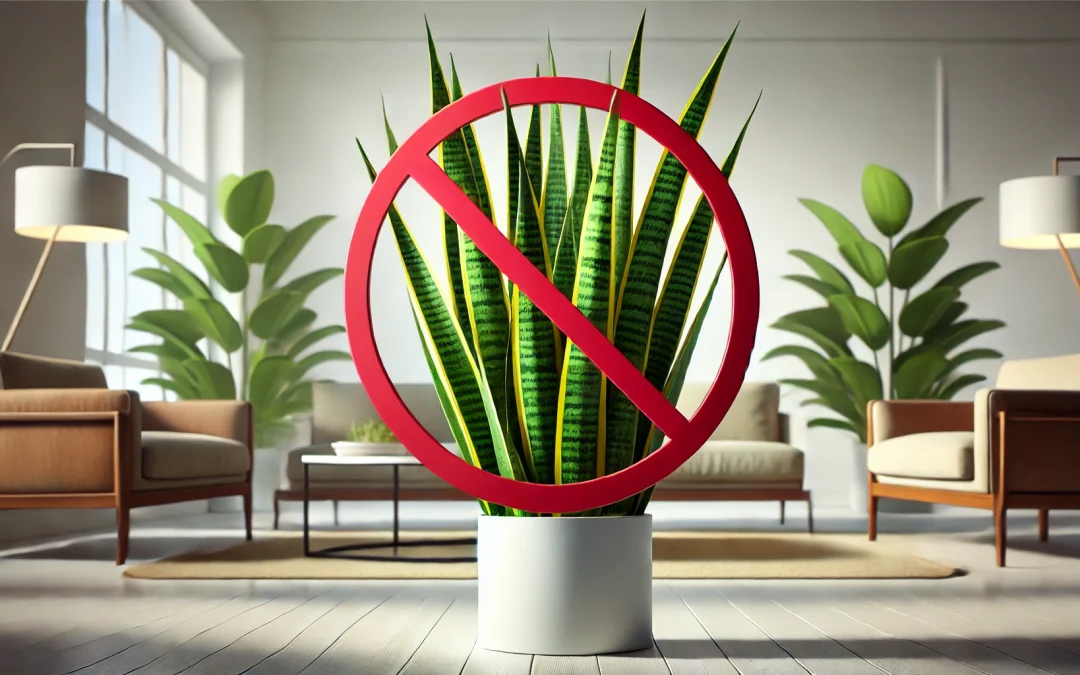
Snake Plant
- Contains saponins, which can cause nausea, vomiting, and diarrhea.
-
Daffodils
- Especially the bulbs, contain lycorine, which can cause vomiting, diarrhea, and cardiac abnormalities.
Understanding the Risks
- Cats are naturally curious and may nibble on plants out of boredom or instinct.
- Toxicity levels vary, but even mild reactions can be distressing for your cat.
- Symptoms can range from oral irritation and gastrointestinal upset to severe organ damage and death.
Indoor Plants That Are Safe For Cats
-
Spider Plant
- These are very popular and easy to care for. They even produce “spiderettes” that dangle down, which can be fun for your cat to watch (but try to discourage them from eating them).
-
Cat Grass
- This is specifically grown for cats! It provides them with a safe outlet for their natural chewing instincts and can aid in digestion.
-
Areca Palm
- These elegant palms add a tropical touch and are safe for cats.
-
Boston Fern
- These lush ferns thrive in humid environments and are non-toxic.
-
Parlor Palm
- Another safe and easy-to-care-for palm that adds a touch of greenery.
-
African Violet
- These flowering plants bring color to your home and are safe for your cat.
-
Peperomia
- These come in many varieties and are generally safe for cats.
-
Money Tree
- This is a popular decorative plant that is also considered to be safe.
Protecting Your Cat
- Identify and remove toxic plants from your home.
- If you’re unsure about a plant’s toxicity, consult a veterinarian or reliable online resources like the ASPCA’s website.
- Place plants out of reach but remember that cats are agile climbers.
By being informed and proactive, you can create a safe and healthy environment for your feline companion.